Artfully Upcycled: Converting Unwanted Goods into Beautiful Showpieces
In a world grappling with environmental challenges, the demand for sustainable living solutions is on the rise. Upcycling unwanted goods into beautiful showpieces has emerged as both an eco-friendly trend and a creative outlet. Not only does this practice reduce waste, but it also allows you to express your individuality while revamping your space. In this comprehensive guide, we'll explore the art of artfully upcycling, share inspiring transformation ideas, and offer professional tips for turning junk into eye-catching masterpieces.
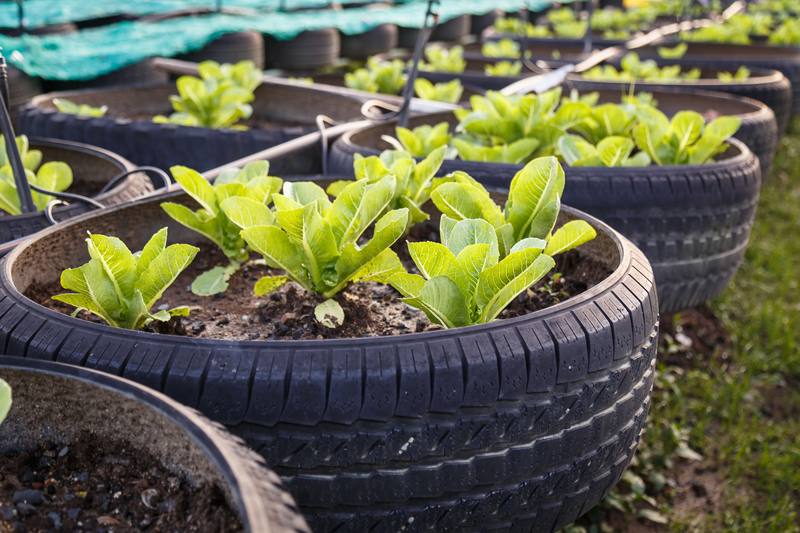
What Is Upcycling? Understanding the Concept
At its core, upcycling is the process of repurposing discarded or unwanted items, giving them a new lease on life and often increasing their value. Unlike recycling, which breaks materials down, upcycling maintains the original form while transforming its appearance or function in innovative ways. The result? Show-stopping upcycled decorations and unique home accents that spark conversation.
- Eco-friendly: Upcycling promotes a sustainable lifestyle by reducing landfill waste.
- Creative: It encourages out-of-the-box thinking and artistic experimentation.
- Cost-effective: Transforming what you already own saves money while adding a personalized touch to your space.
The Difference Between Upcycling and Recycling
While both upcycling and recycling aim to reduce environmental impact, there are subtle but significant differences:
- Recycling involves breaking down materials (like glass, paper, or plastic) to create new raw material for manufacturing.
- Upcycling uses the original material or product as a base, creatively modifying it for a new function or aesthetic appeal.
Why Upcycling Matters in Today's World
With increasing awareness of global waste and resource depletion, artfully upcycling offers tangible solutions:
- Reduces waste: Diverts functional items from landfills.
- Saves energy: Manufacturing from scratch consumes far more energy and resources.
- Fosters creativity: Upcycling projects empower individuals to embrace artistic experimentation.
- Supports community: Many upcycling initiatives are collaborative, fostering a spirit of sharing, teaching, and learning.
Environmental Impact of Upcycling
Each time you convert a discarded item into a beautiful showpiece, you help conserve natural resources. For example, upcycling old wood furniture helps preserve forests, while turning glass bottles into vases reduces demand for new glass production.
Getting Started: Upcycling for Beginners
Transforming unwanted items into showpieces isn't reserved for expert artisans. Anyone with curiosity and creativity can join the upcycle movement. Here's how:
1. Identify Potential Materials for Upcycling
Start with items you'd otherwise throw away:
- Old furniture (chairs, tables, cabinets)
- Glass jars, wine bottles, and tin cans
- Wooden pallets and crates
- Broken jewelry and accessories
- Worn clothes or textiles
- Books and magazines
- Electronics and appliances
2. Gather Essential Tools
You don't need a full workshop to begin upcycling unwanted goods. A few basic tools will get you started:
- Sandpaper or sanding blocks
- Paints and brushes
- Adhesives (super glue, hot glue, wood glue)
- Utility knife or scissors
- Measuring tape or ruler
- Screwdrivers and pliers
Safety tip: Always wear gloves and eye protection when working with sharp or chemical materials.
Innovative Upcycling Project Ideas
Ready to turn your trash into treasures? Here are inspirational upcycling ideas to jumpstart your creativity:
Furniture Revamps
- Palette Perfection: Convert old wooden pallets into rustic coffee tables, bookshelves, or bed frames. Add caster wheels for mobility, or paint for a bold statement.
- Chair to Plant Stand: Broken chairs become whimsical planters or quirky display stands. Remove the seat, insert a pot, and watch your upcycled garden flourish.
- Dresser Makeover: Repurpose a tired dresser by repainting and replacing the knobs. Use bold colors or stencils to create a bespoke piece.
Glass and Metal Magic
- Jar Lanterns: Clean glass jars, wrap them in wire or twine, and place tea lights inside to create magical lanterns for patios or tabletops.
- Bottle Art: Paint wine bottles with vibrant colors, wrap them with fabric, or etch them for unique vases, lamps, or centerpieces.
- Tin Can Planters: Clean and paint tin cans to house small plants. Attach them to a wooden board for a vertical herb garden.
Textile Transformations
- T-shirt Rugs: Weave old t-shirts into colorful, soft rugs or coasters.
- Sweater Cushions: Stuff old sweaters with filling for cozy, upcycled throw pillows.
- Patchwork Art: Turn scraps of fabric into wall hangings or decorative banners.
Creative Decor from Unusual Items
- Book Planters: Hollow out vintage books to make stunning planters for succulents or cacti.
- Old Record Bowls: Gently heat vinyl records and mold them into bowls for keys, candy, or jewelry.
- Light Fixture Reinventions: Gather old utensils or bike parts to assemble striking light pendants and chandeliers.
Tips for Creating Stunning Upcycled Showpieces
A successful upcycling project is both attractive and functional. Use these tips to ensure your showpiece stands out:
- Embrace Imperfections: The quirks and patinas of reused goods add character. Don't strive for perfection--instead, highlight each item's unique story.
- Mix Styles: Combining different materials and eras can result in eye-catching contrasts and conversation pieces.
- Choose the Right Finish: A new coat of paint, stain, or sealant brings vibrancy and protects your creation.
- Think Functionally: Whenever possible, let your upcycled art serve a practical purpose as storage, display, or lighting.
- Document Your Process: Photograph before and after shots to appreciate your progress or share with a growing upcycle community.
Showcasing Your Upcycled Showpieces
Once you've converted unwanted goods into beautiful showpieces, give them the attention they deserve:
- Gallery Walls: Arrange your creations in clusters to form a visually striking feature wall.
- Functional Displays: Use upcycled storage solutions as both art and utility in your kitchen, bathroom, or entryway.
- Gift Giving: Handmade showpieces make thoughtful, sustainable gifts for loved ones.
- Online Sharing: Inspire others by posting your upcycled works on social media or creative platforms like Pinterest and Instagram.
From Hobbyist to Artisan: Turning Upcycling Into a Business
For many enthusiasts, upcycling evolves from a hobby to a thriving small business. Here's how to turn your passion into profits:
- Identify Your Niche: Focus on upcycling a specific type of material, like vintage textiles or reclaimed wood, to establish your brand.
- Sell at Markets or Online: Platforms like Etsy, eBay, and local craft fairs are ideal for selling handcrafted showpieces.
- Offer Workshops: Teach others how to upcycle through online or in-person classes.
- Collaborate with Designers: Architectural and interior design firms often seek unique, upcycled pieces for projects.
Key Marketing Tips for Upcycled Goods
- Highlight Eco-benefits: Emphasize the environmental impact of your products.
- Share the Story: Each piece tells a story. Incorporate its history into your product descriptions.
- Leverage Visuals: Before-and-after photos and videos connect with customers.
- Engage with Community: Join online upcycling groups for ideas, support, and collaboration.
Caring for Your Upcycled Showpieces
To ensure your artfully upcycled showpieces last, follow basic care instructions:
- Wipe surfaces regularly to remove dust and prevent buildup.
- Keep glass and metal items dry to avoid rust or mold.
- Touch up paint or finishes annually or as needed.
- Display in appropriate environments, avoiding damp or direct sunlight where possible.
Inspirational Success Stories
Countless artists and DIYers around the world are redefining what's possible with unwanted goods:
- Ana's Vintage Ladder: With a little paint and imagination, she turned an old ladder into a watercolor display in her studio.
- Corey's Tire Ottoman: By wrapping a worn tire in thick rope and adding legs, he created a stylish footrest featured in design magazines.
- Lila's Tin Can Chandelier: This inventive light fixture, made from old cans and twinkling bulbs, graces friends' gatherings year-round.
Conclusion: Embrace the Art of Upcycling
Artfully upcycled creations represent the intersection of beauty, sustainability, and creativity. By giving unwanted goods new purpose, you can create showpieces that not only elevate your space but also support eco-conscious living. Whether you're refreshing your own home, crafting gifts, or launching a small business, upcycling empowers you to reimagine the old as something bold, impactful, and inspiring.
So, the next time you think about tossing out that worn chair or empty bottle, envision the possibilities. With a bit of imagination and effort, you can transform unwanted items into stunning upcycled showpieces that will capture attention, spark joy, and ultimately, make a positive mark on the world.